The civil and HDD scope that connects utility-scale solar, wind, and battery storage to the grid — gen-tie, collection system, interconnection, and substation civil, self-performed to the standard the interconnecting utility inspects against, across Central New York and Pennsylvania.
New York's Climate Leadership and Community Protection Act (CLCPA) sets a 70% renewable electricity target by 2030. To get there, the state's Office of Renewable Energy Siting (ORES) has already permitted more than 5.1 GW of large-scale solar and wind — more than 35 projects, with a single recent year adding nine permits and over a gigawatt on its own. Pennsylvania's grid is drawing its own utility-scale solar and storage pipeline alongside it.
That pipeline is the market. Every permitted project has to be cleared, graded, trenched, bored, and tied into a utility substation before it puts a single electron on the grid — and developers and their EPCs put that civil scope out to subcontractors. A single road-bore crossing on a collection or gen-tie route can run from tens of thousands to several hundred thousand dollars depending on distance and soil. This is the work we self-perform.
National EPCs and developers don't keep excavation and HDD crews standing by in Central New York. Mobilizing iron and operators from out of state to bore one collection-system crossing or set a switchyard's duct bank is slow and expensive — and it puts your interconnection date at the mercy of a travel schedule.
We're already here. Owner-operated rigs, vac trucks, and excavators, local crews, and a standing relationship with New York 811 and PA One Call. And because building duct bank and substation civil to utility standard is what we do every day on the distribution and transmission side, we build your gen-tie and switchyard to the exact standard the interconnecting utility inspects against.
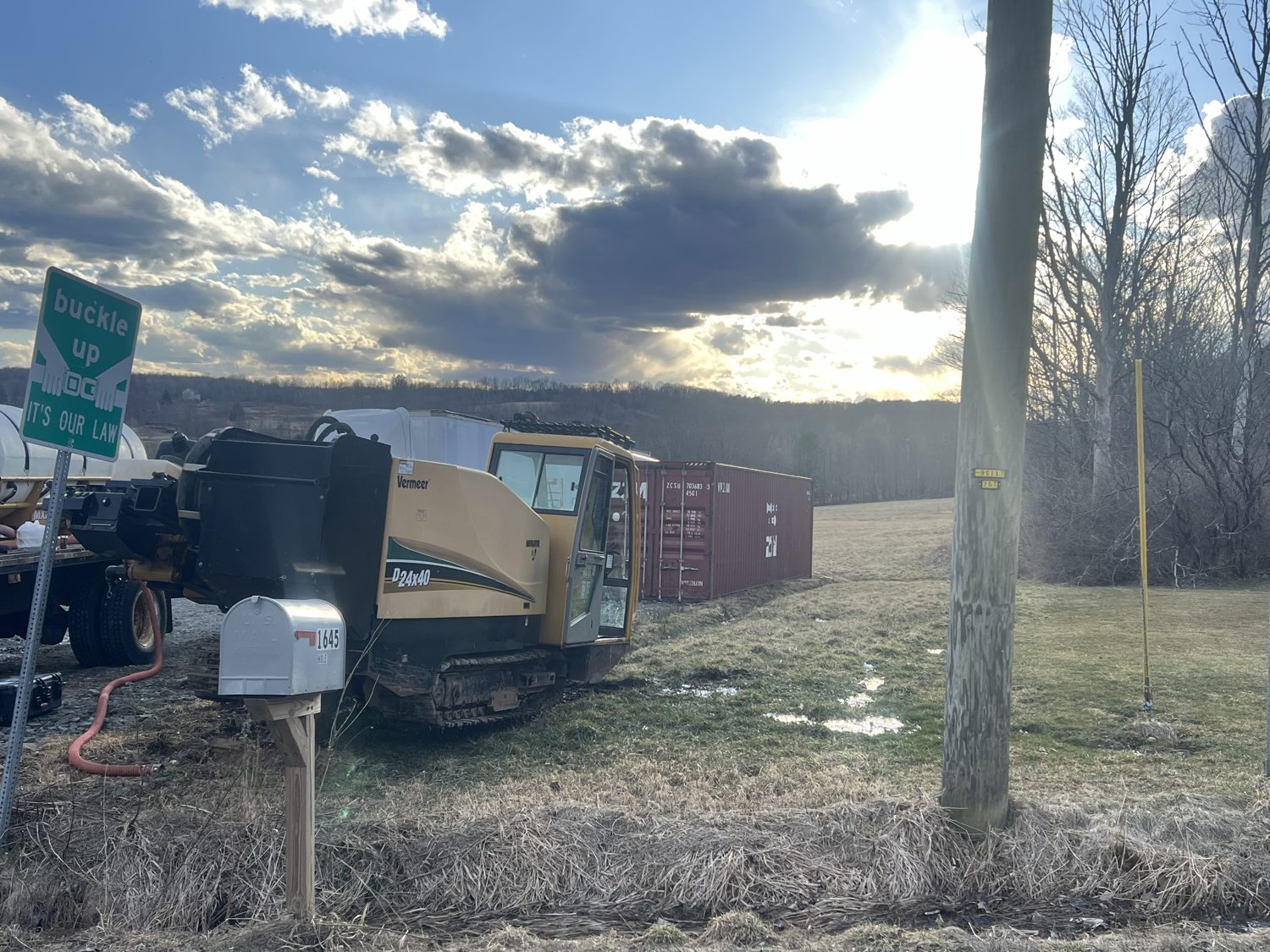
Four civil scopes that carry a project from the array to the point of interconnection — all self-performed by one accountable crew.
Medium-voltage collection trenching, concrete-encased and direct-bury duct bank, and HDD boring from the inverter pads out to the collection system — then the gen-tie route to the point of interconnection, under roads, wetlands, and existing utilities where open-cut won't work.
Point-of-interconnection civil and Option-to-Build self-perform — the switchyard and substation civil that terminates the gen-tie at the utility. Built to the interconnecting utility's standard so it clears inspection on the first walk-down.
Grounding grid, cable trench, and duct bank; equipment foundations and pads for transformers, breakers, and switchgear; and control-house civil. The full below-grade and foundation package for a substation or switchyard.
Access roads, equipment pads, and site grading; battery-storage pads and foundations; and the underground electrical that ties the balance of plant together — the civil BOP scope that turns a permitted site into a buildable one.
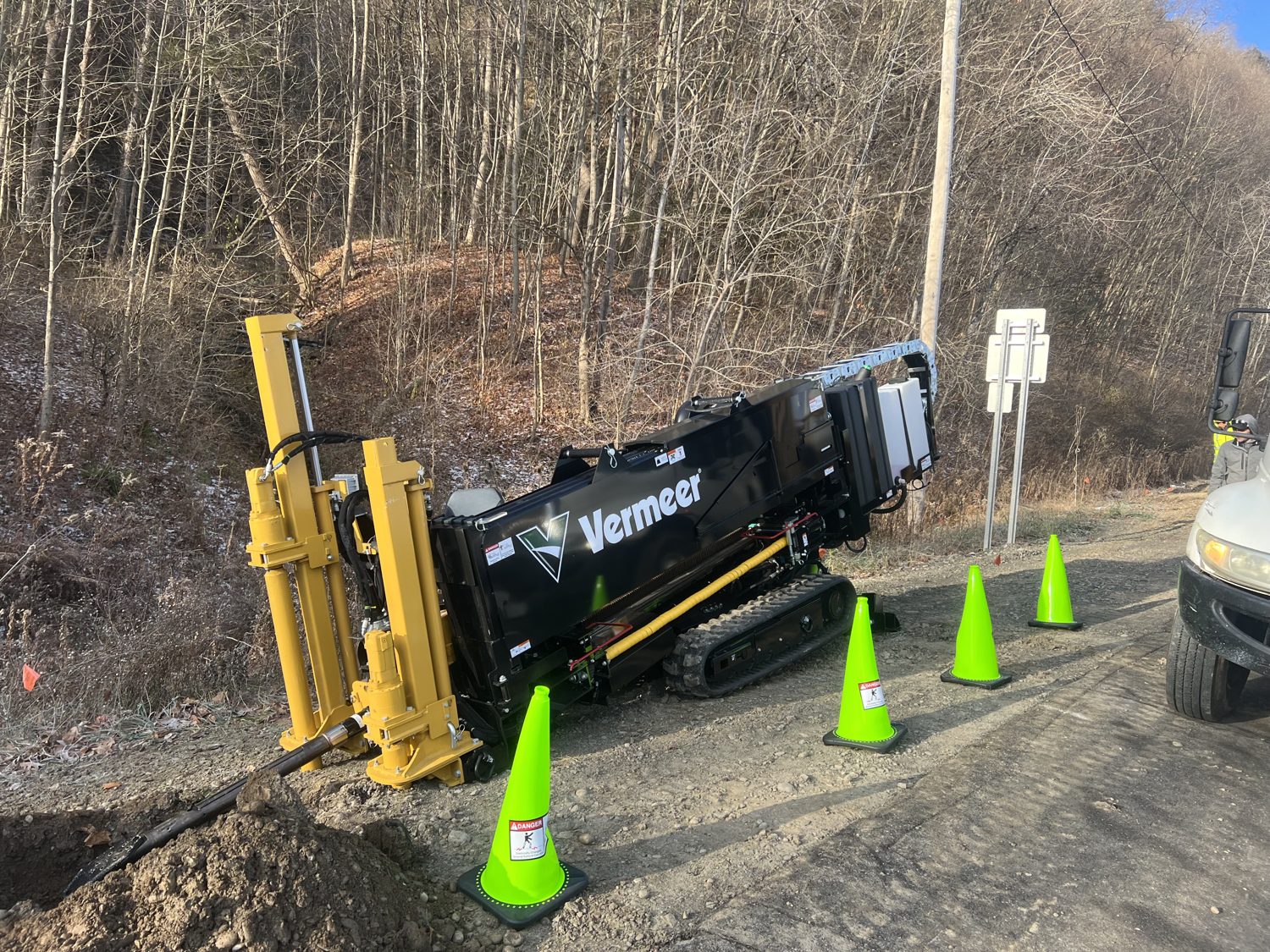
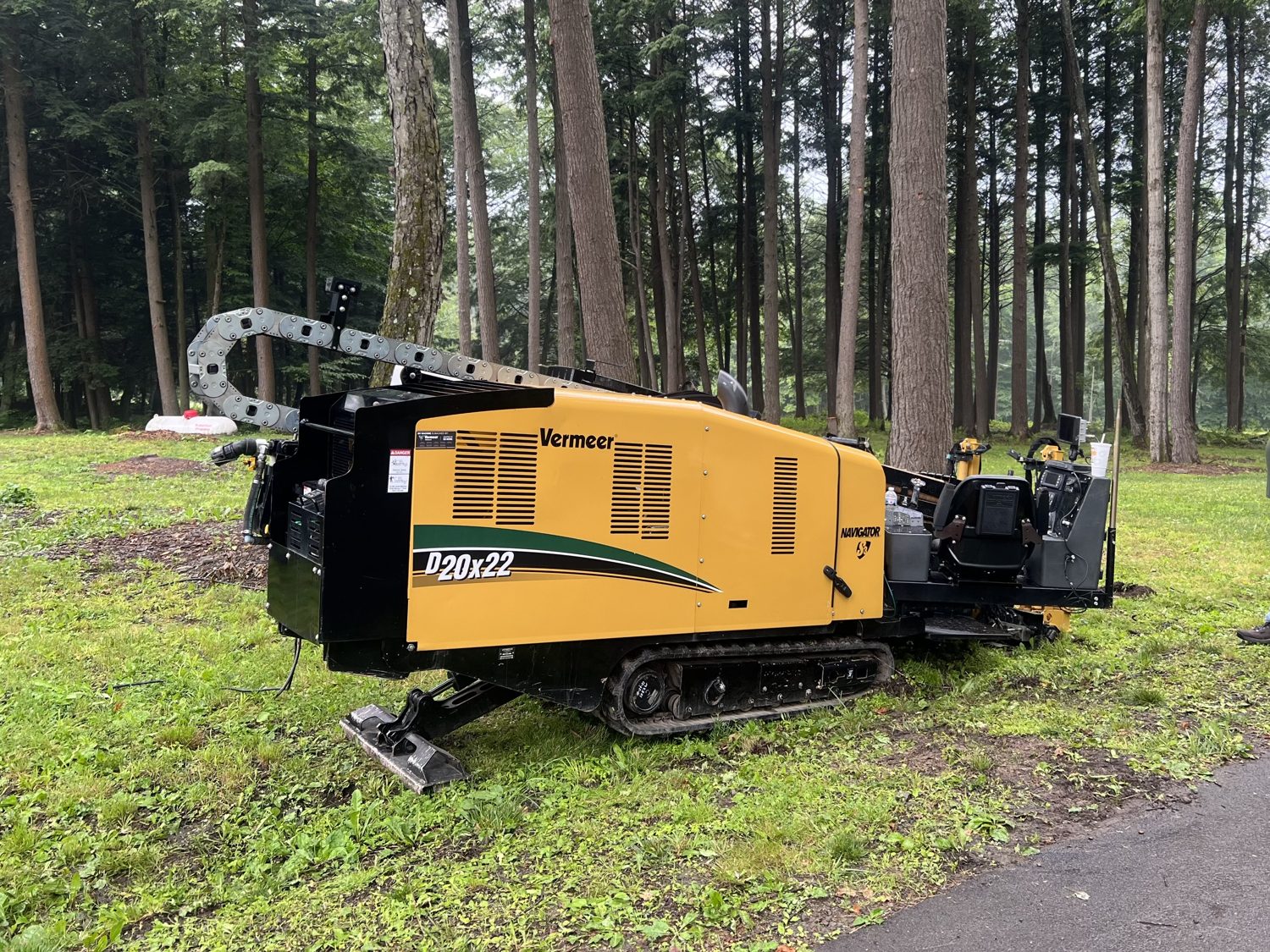
Owner-operated rigs and crews on active bores, trenches, and underground crossings. Click any photo to open it.
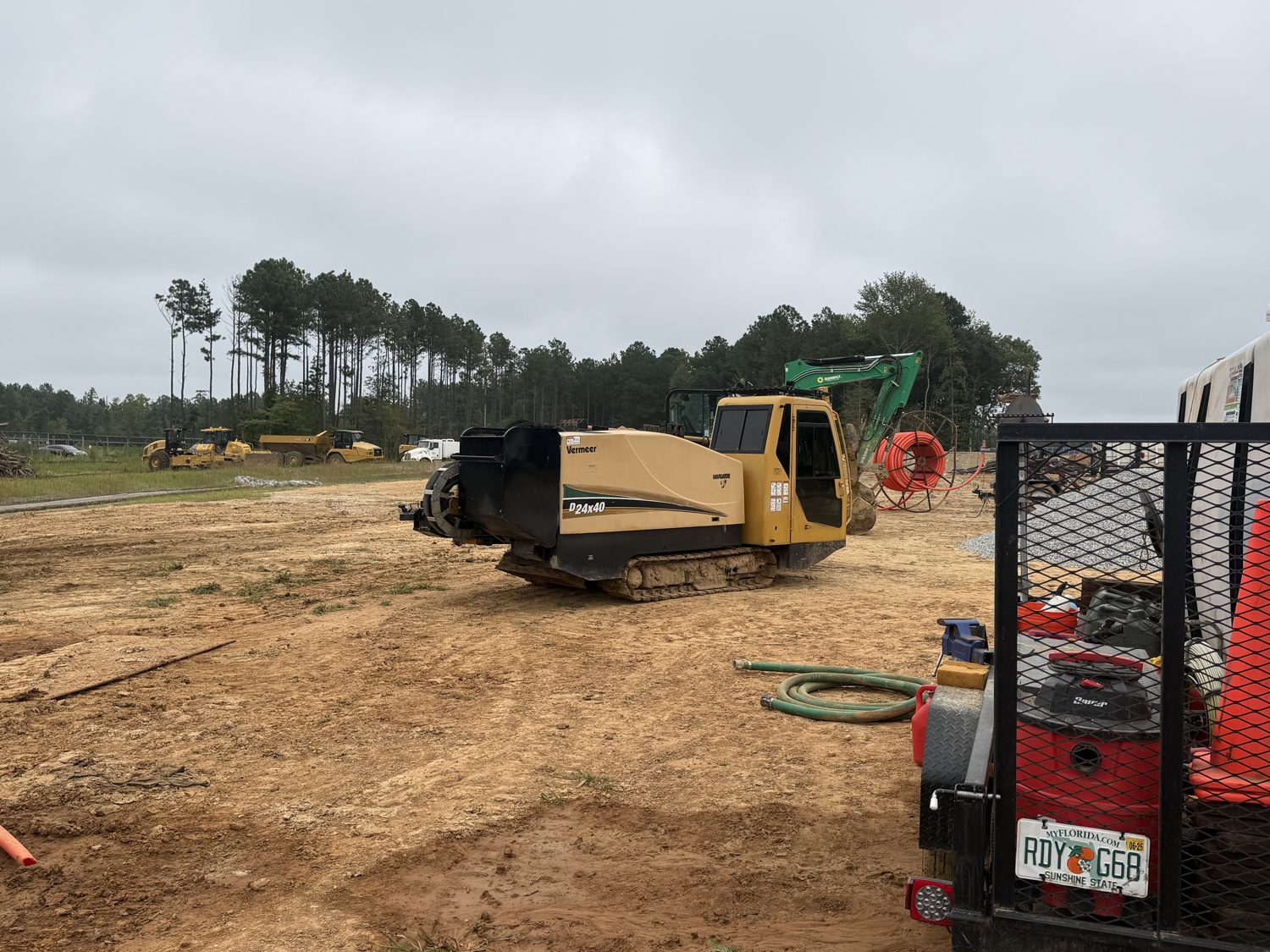
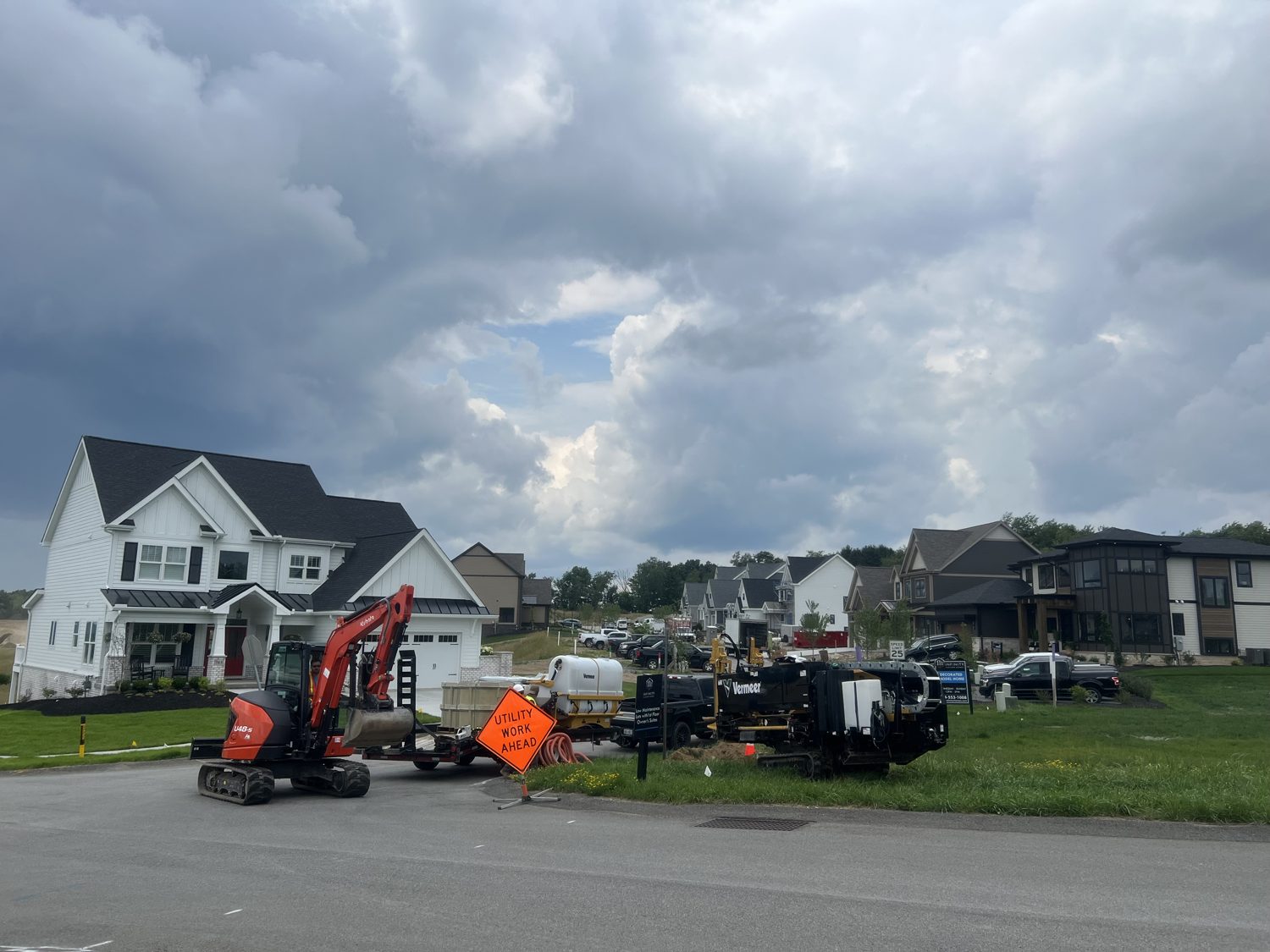
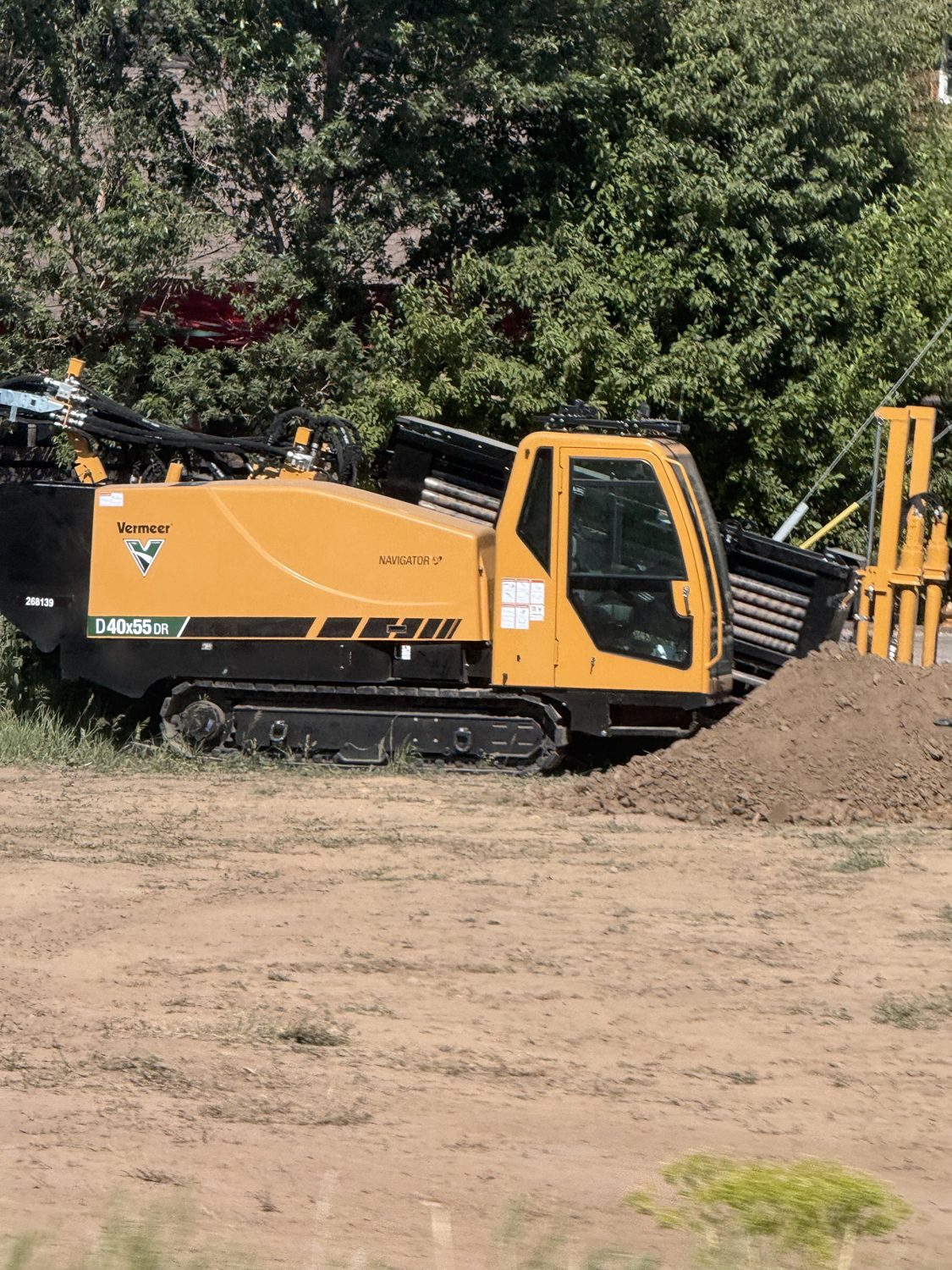
We self-perform civil and HDD scope as a subcontractor to the EPC or developer — gen-tie, collection system, substation civil, and balance-of-plant. We don't compete with your EPC; we're the local underground crew you don't have to mobilize from out of state.
Yes. Building duct bank and substation civil to utility standard is our core utility work — the same standard the interconnecting utility inspects your gen-tie and switchyard against. It's the reason developers trust us with interconnection and POI civil.
CLCPA and ORES-permitted projects and publicly funded scope frequently carry prevailing-wage riders, project labor agreements, or federal Davis-Bacon requirements. We onboard into the wage and prequalification requirements your project requires — ISNetworld, Avetta, or Veriforce — before we bid.
Gen-tie and collection-system trenching, duct bank, and HDD; interconnection and point-of-interconnection civil; substation civil including grounding grid, cable trench, equipment foundations and pads, and control-house civil; and BESS and solar/wind balance-of-plant — access roads, pads, grading, and underground electrical.
Tell us about the collection system, the gen-tie route, the substation, and the interconnection date. We'll send back a capability package and a plan to keep the civil scope off your critical path.
Request a bid
 Building Connections. Powering Progress.