Horizontal directional drilling and trenchless crossings under roads, rail, rivers, wetlands, and live utilities — self-performed with owner-operated rigs across Central New York and Pennsylvania.
When a utility has to cross a road, a rail line, a river, a wetland, or a corridor of existing utilities, trenching through it isn't on the table. Trenchless is how the line gets to the other side without cutting the surface open — and directional drilling is the method that does it with the least disruption and the most control over the path. We self-perform the bore end to end: planning, drilling, and pullback, with owned rigs and crews instead of a rented machine and a borrowed operator.
Below is how we approach each kind of trenchless work — from standard HDD to cased road and rail crossings, rock and difficult ground, and the locating and potholing that protects everything already underground.
Horizontal directional drilling installs conduit, pipe, or cable along a designed, steerable path beneath an obstacle — no open trench across the surface it crosses. We run small, mid, and maxi-class rigs and match the machine to the crossing rather than forcing every job onto one rig. Each bore starts with bore planning: entry and exit points, depth of cover, bend radius, and a profile that clears everything in the corridor. On the ground it runs as a sequence — pilot bore, then reaming to size, then pullback of the product — managed with a drilling-fluid (mud) program matched to the soil to carry cuttings, stabilize the hole, and protect the surface from inadvertent returns. We turn over as-built bore profiles so the owner knows exactly where the line sits and at what depth.
Crossings under highways, railroads, and waterways carry their own rules and their own methods. Alongside HDD we self-perform auger boring, jack-and-bore, and pipe ramming for cased crossings where a steel casing is specified or the ground calls for it. Just as important as the drilling is the paperwork and the flagging: we coordinate DOT and railroad permitting, the insurance and flagging those authorities require, and the encroachment and occupancy approvals that keep a crossing legal and on schedule. Getting the permit path started early is often what keeps a crossing off the critical path.
The ground in Central New York and the PA Northern Tier doesn't do you any favors — shale, limestone, and glacial till show up across the region, and each drills differently. We plan for difficult ground before mobilizing: reading available geotech, selecting tooling and a mud program suited to rock or mixed face, and laying out a bore path that works with the geology instead of fighting it. Where conditions are uncertain, we pothole ahead and adjust rather than push a plan that the ground won't support.
Every bore is only as safe as what you know is already underground. We start with a one-call locate on every job, then pothole and daylight existing utilities with vacuum excavation to physically verify depth and clearance before the pilot bore goes in. That confirmed picture drives the bore profile — so the drill path is designed around real, exposed utilities instead of paint on the grass. It's the same discipline that protects the lines you're crossing and the ones you're installing next to.
Which method fits a crossing depends on the ground, the surface above it, and what's being installed. How we typically choose:
| Method | Best for | Typical use |
|---|---|---|
| HDD / directional boring | Long or curved crossings with minimal surface disruption | Under roads, rivers, wetlands, and live utilities; gen-tie and collection conduit |
| Auger boring | Straight, on-grade cased crossings | Under roads and railroads where line and grade must hold |
| Jack-and-bore | Cased crossings requiring a steel casing | Highway and rail crossings for gravity or pressure pipe |
| Pipe ramming | Cased crossings in cobbly or difficult ground | Under rail and road embankments where other methods stall |
| Potholing / daylighting | Verifying existing utility depth and location | Before any bore in a congested or uncertain corridor |
Directional drilling is only as reliable as the crew running the rig and the plan behind it. Because the machines are ours and the operators run them every day, we mobilize on the date we committed to instead of waiting on a rental and an unfamiliar operator.
The same experience that plans a clean bore profile is what keeps a crossing out of trouble — the right mud program, honest reads on the ground, and potholing before the pilot bore rather than after a surprise.
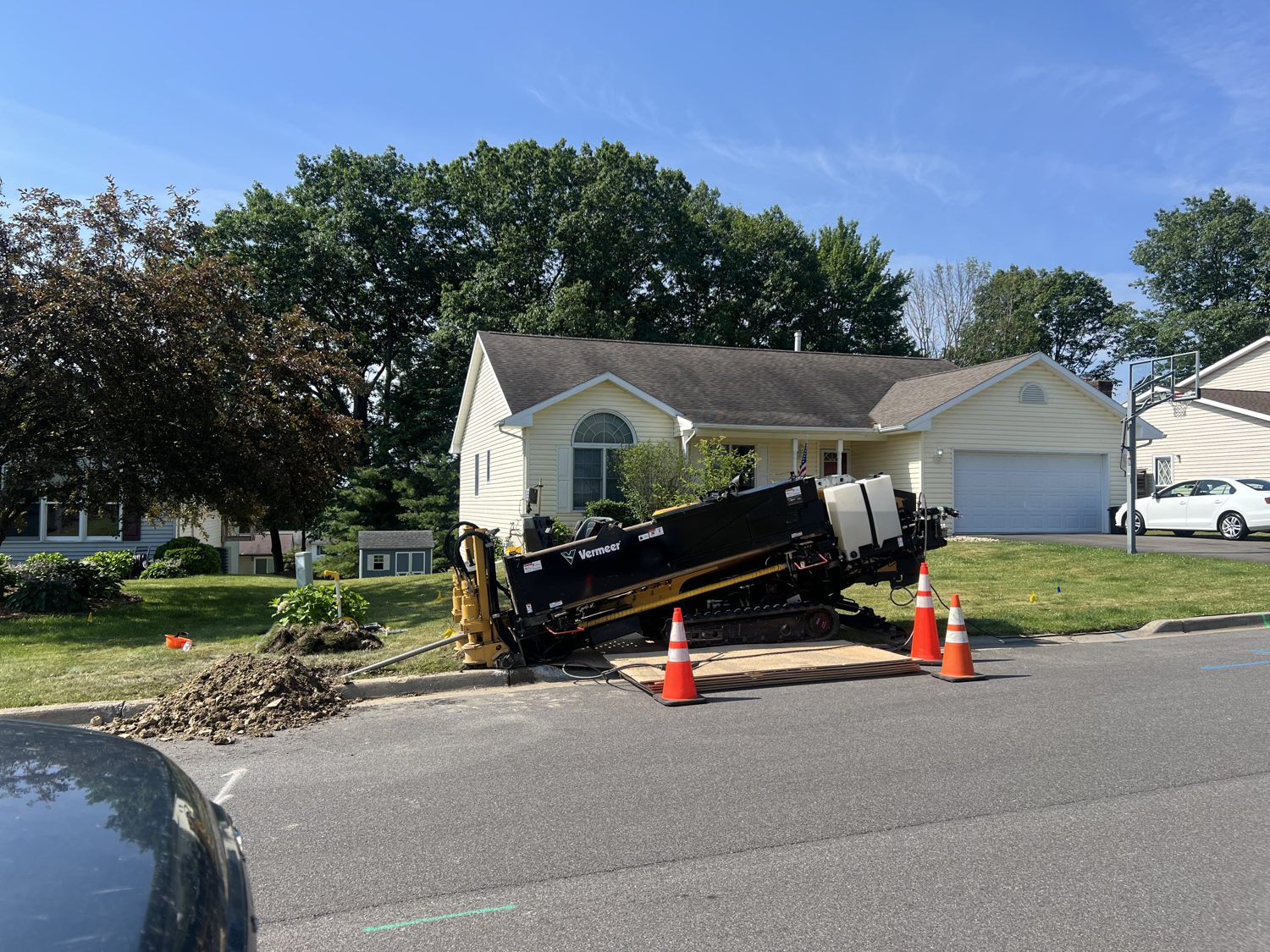
Owner-operated directional drilling equipment and crews on active bores. Click any photo to open it.
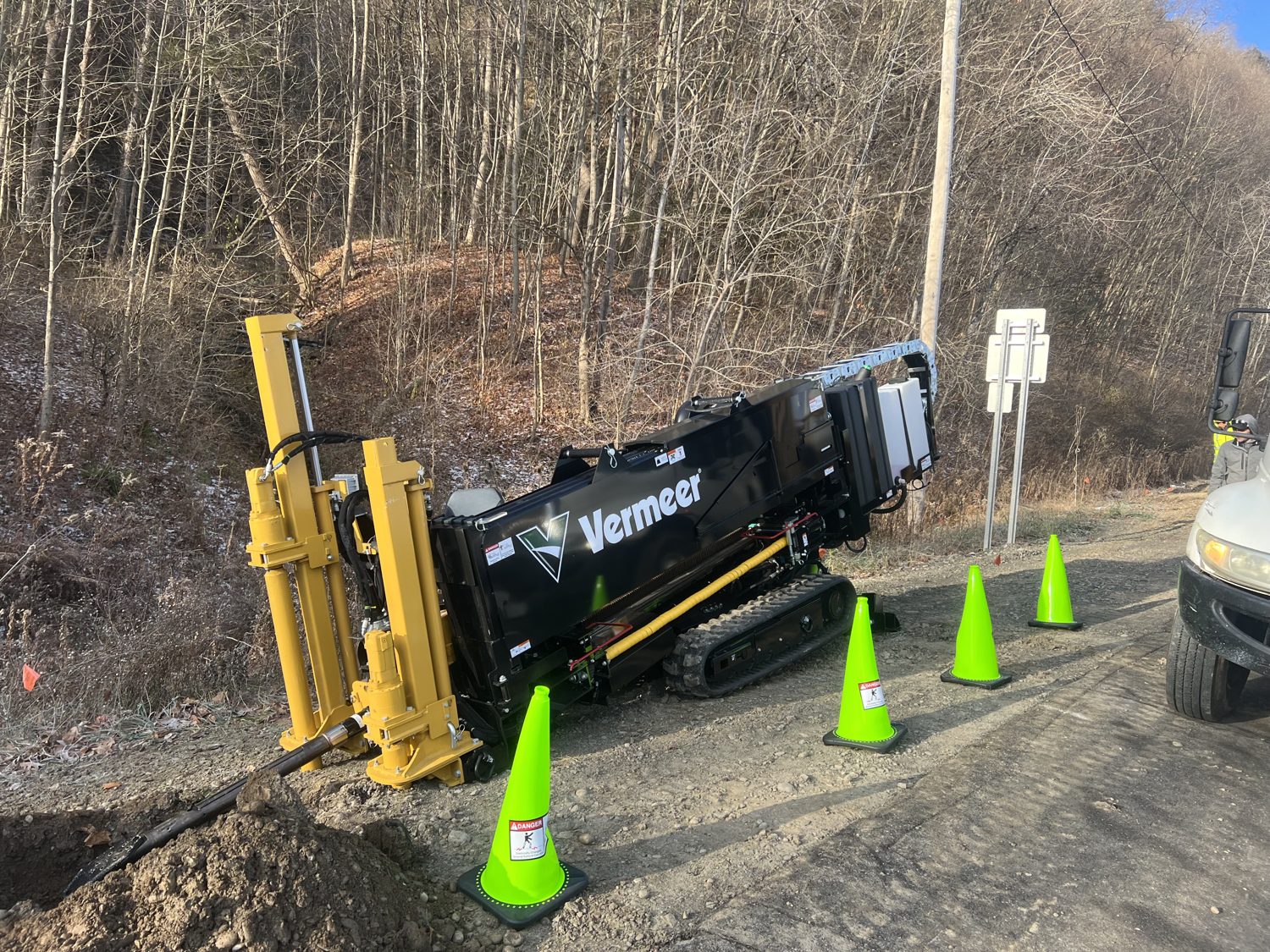
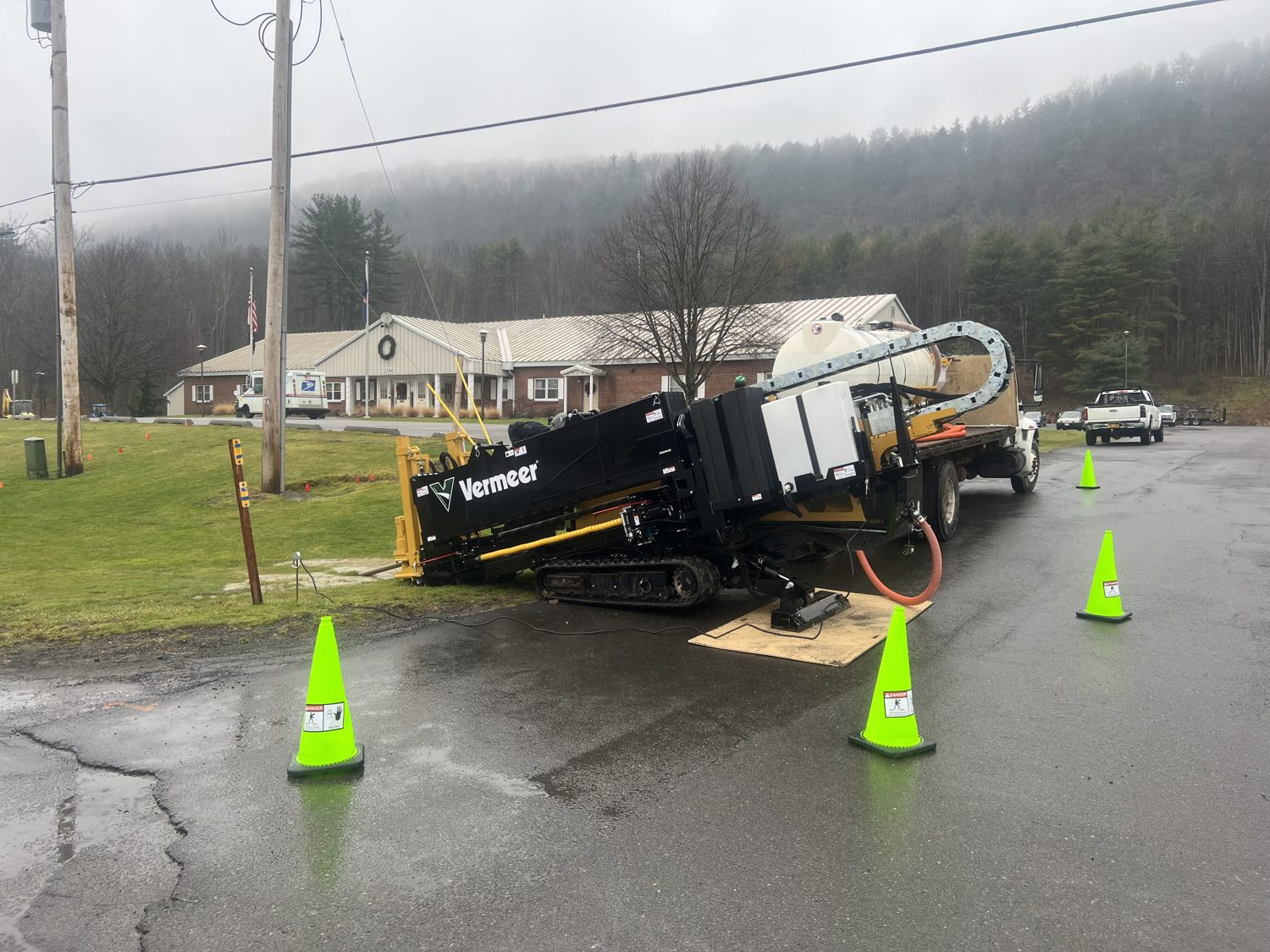
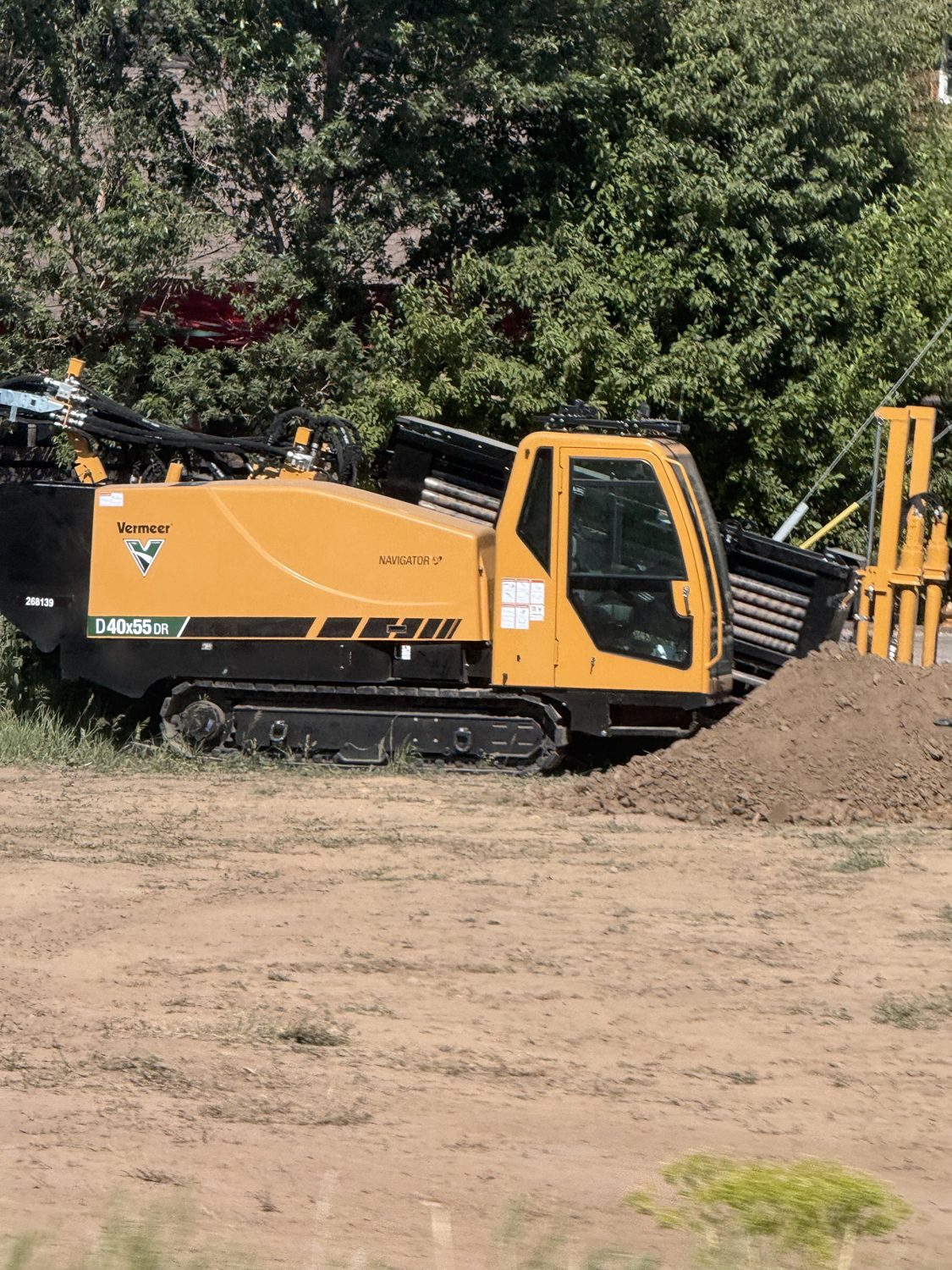
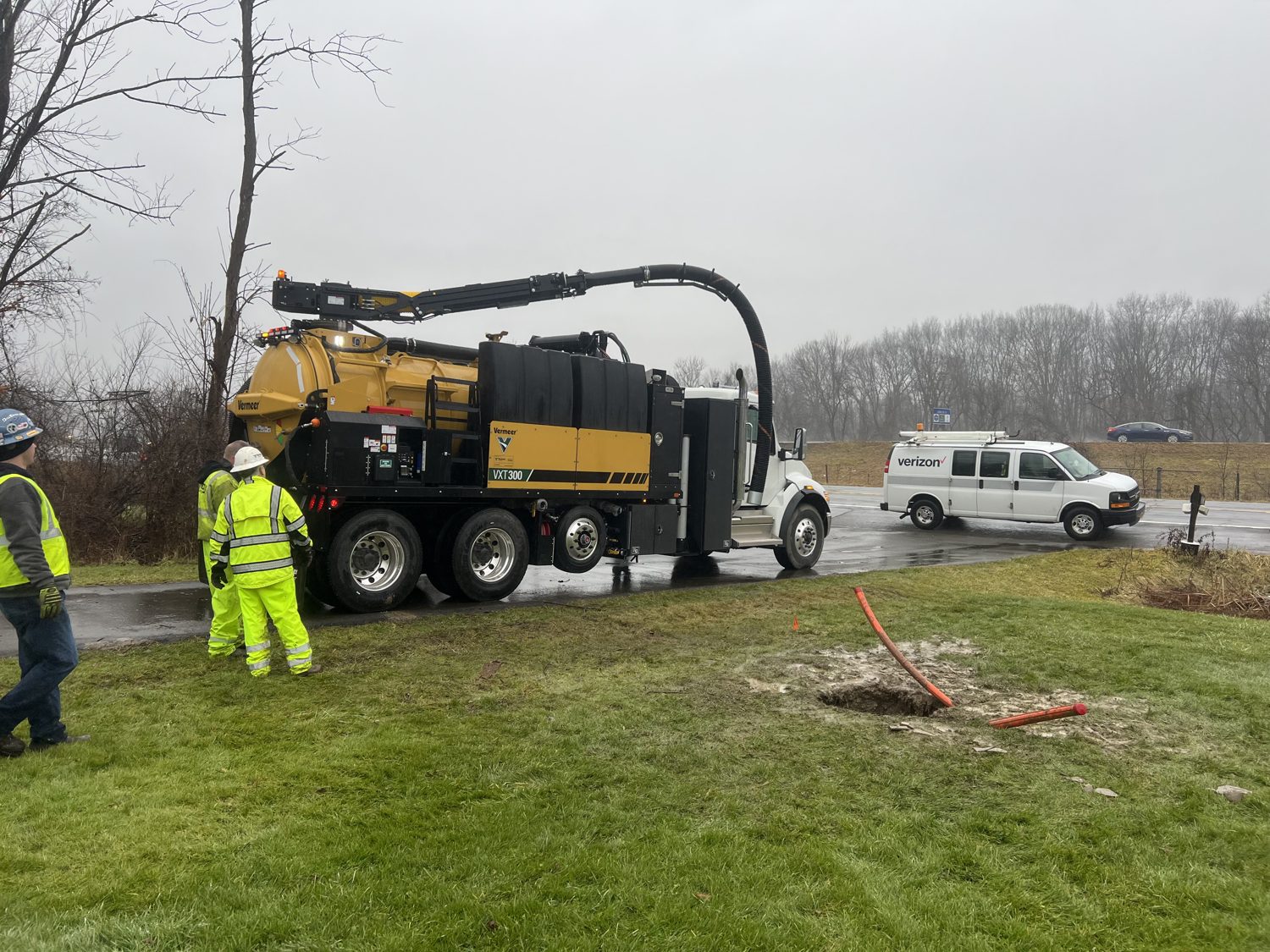
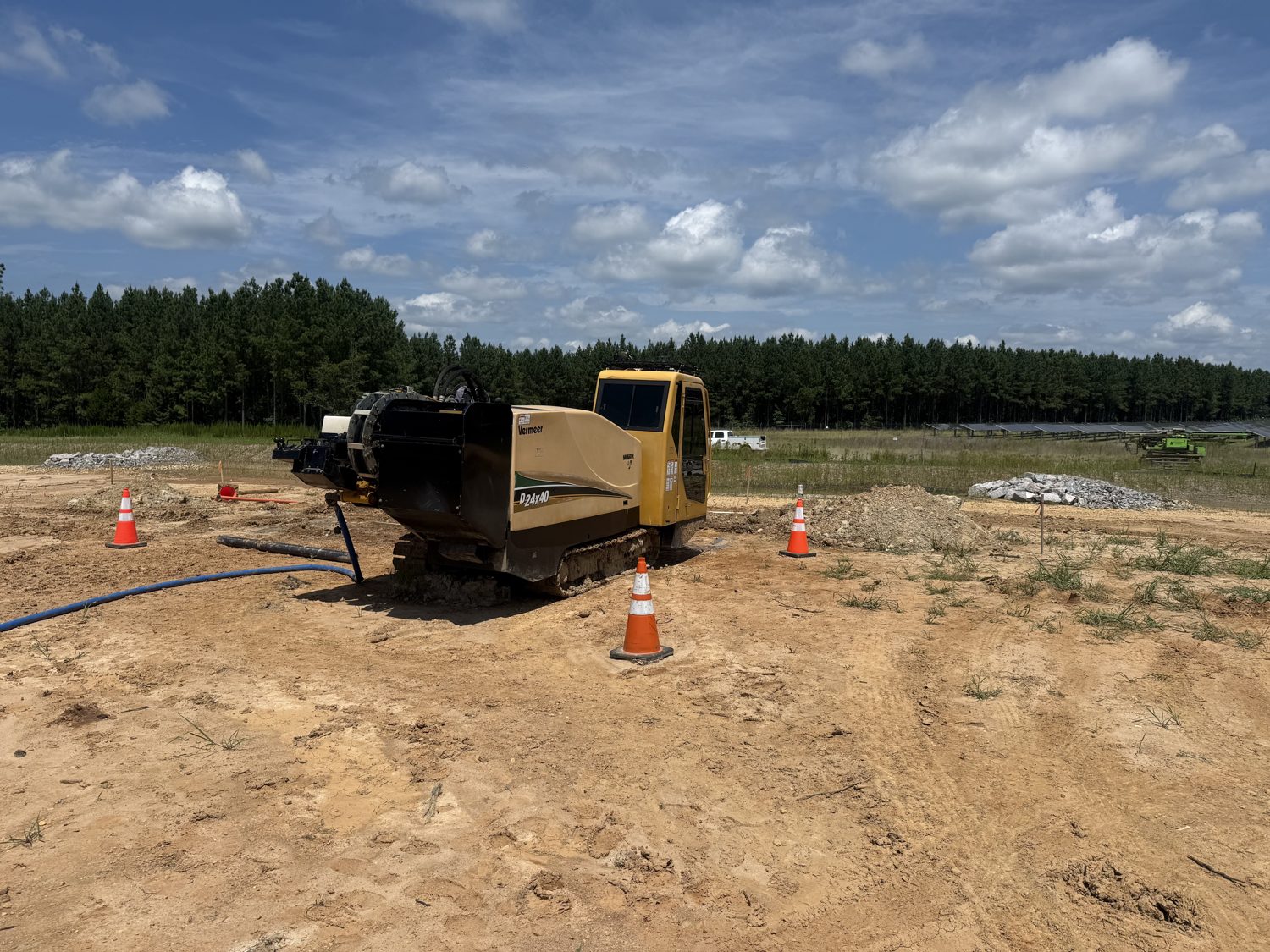
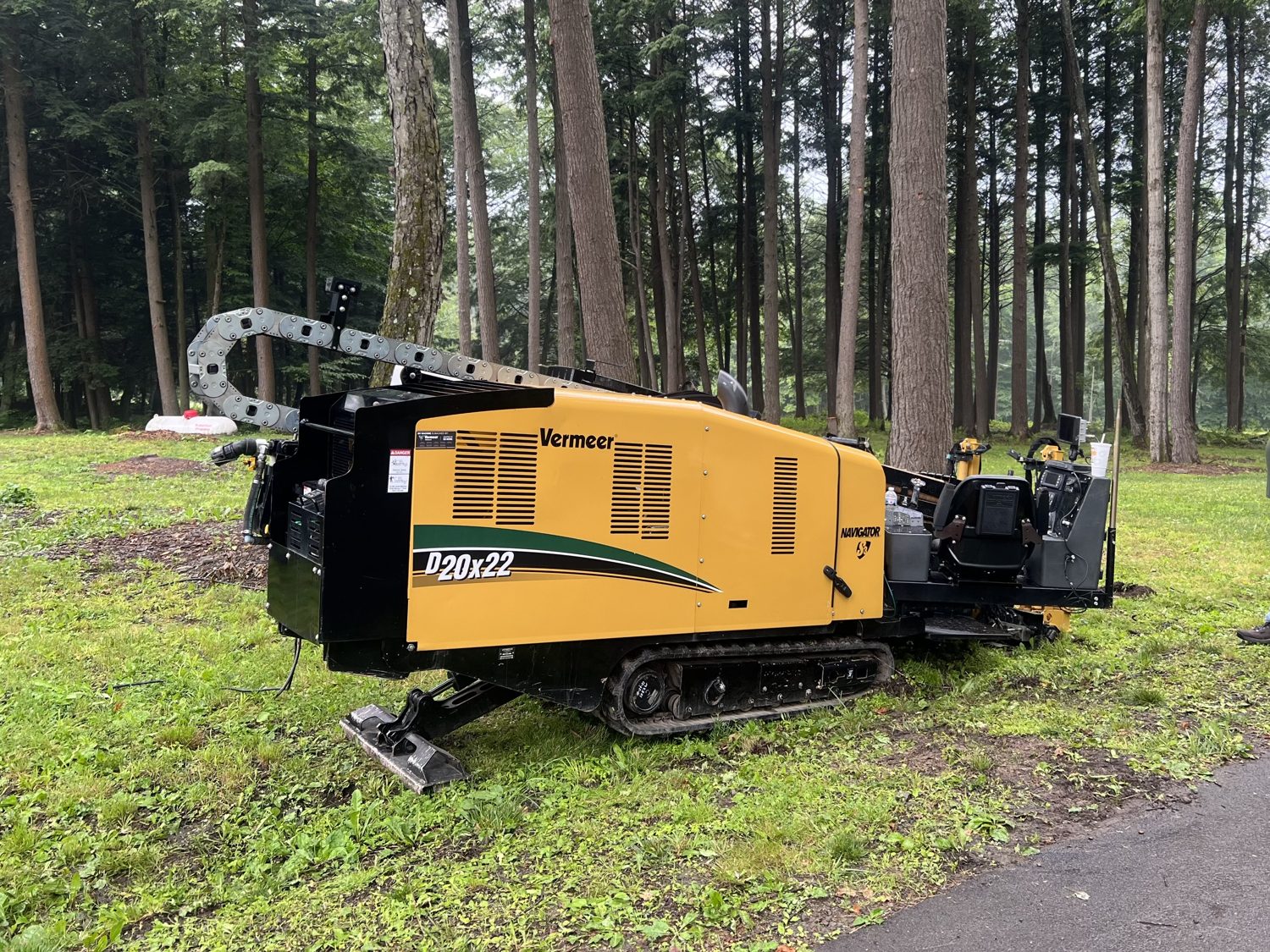
We run small, mid, and maxi-class directional drilling depending on the crossing — from short utility bores under a driveway or road to longer river and gen-tie crossings. We match the rig class to the bore length, product diameter, and ground conditions rather than forcing one machine onto every job.
Yes. We self-perform cased road and rail crossings by HDD, auger boring, jack-and-bore, and pipe ramming, and we coordinate the DOT and railroad permitting, insurance, and flagging those crossings require.
Yes. Central New York and the PA Northern Tier hand you shale, limestone, and glacial till. We plan for difficult ground with the right tooling, drilling-fluid program, and bore path, and pothole ahead where conditions are uncertain.
Always. Every bore starts with a one-call locate, and we pothole and daylight existing utilities with vacuum excavation to verify depth and clearance before the pilot bore. Damage prevention is planned into the bore, not left to chance.
Tell us about the crossing, the ground, the product, and the schedule. We'll respond with a method, a plan, and a bid to keep the bore off your critical path.
Request a bid
 Building Connections. Powering Progress.